Is Celina popping up on your radar and making you wonder if it could mirror Frisco’s rise? You’re not alone. With rapid population growth, big-ticket projects, and a wide range of new homes, Celina is drawing serious attention. In this guide, you’ll see how Celina compares with Frisco, what is already in place, what still needs to mature, and how to time your move with confidence. Let’s dive in.
What “next Frisco” really means
When people say “the next Frisco,” they usually mean a suburb that adds major infrastructure, strong amenities, and long-term planning that attracts jobs and sustained housing demand over years. Frisco’s growth did not happen overnight. It took decades of strategic planning, Tollway access, and corporate and sports anchors to create a durable ecosystem of jobs and amenities. The city’s own materials highlight a long-term, intentional strategy focused on infrastructure and employment centers that supported home values over time. You can review those dynamics in Frisco’s economic development overview.
Celina already shares several ingredients with early-stage Frisco, but it is earlier in the timeline. That is good for choice and opportunity, yet it also means near-term swings as new homes hit the market.
Celina today: growth signals you can see
Population and momentum
By federal estimates, Celina ranks among the fastest-growing U.S. cities in recent vintages. You can see the national context in the U.S. Census Bureau’s Vintage population tables. Locally, the City of Celina reported 64,726 residents as of Jan 1, 2025 on its official dashboard. City and federal counts often differ due to timing, annexations, and local service-area boundaries, so it helps to track both. You can check the city’s latest figures on the City of Celina site.
New civic anchors
Two big commitments are already in place:
- A full-service hospital. Methodist Health System opened the Methodist Celina Medical Center in 2025, adding local care, jobs, and a key quality-of-life amenity. See the opening details in this Methodist Health System announcement.
- A higher-education campus. Collin College built a multi-phase campus to serve northwest Collin County, bringing workforce training and daytime population that supports local services. Explore the Collin College Celina Campus to understand its scope and programs.
Access improvements
The Dallas North Tollway extension is moving north toward Celina. Regional coverage notes that key segments are slated for the latter half of this decade, which shortens commutes to the Tollway corridor and boosts residential and commercial interest. You can follow local reporting on the DNT and related utility work in Community Impact’s regional coverage of transportation and wastewater capacity projects.
Celina’s rapid growth also depends on water and wastewater capacity. Planned expansions are documented in local reporting and matter because utilities often set the pace for how fast new communities can deliver homes.
Neighborhoods and builders shaping options
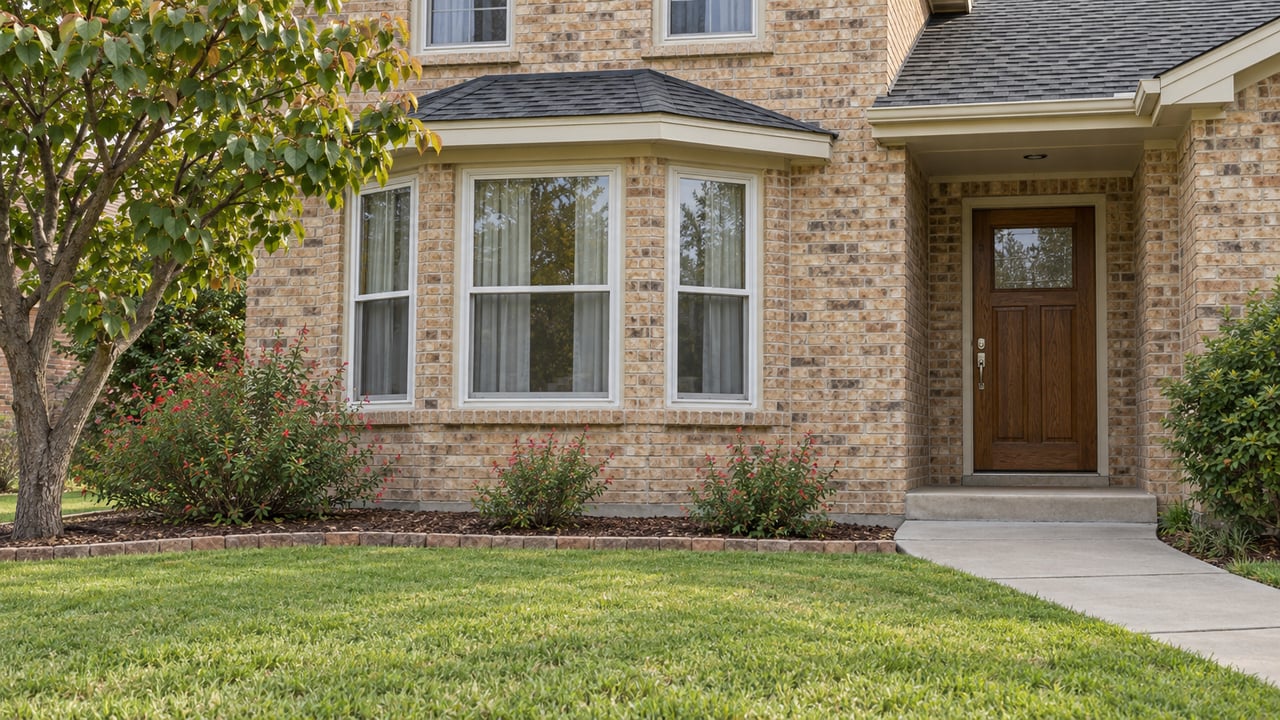
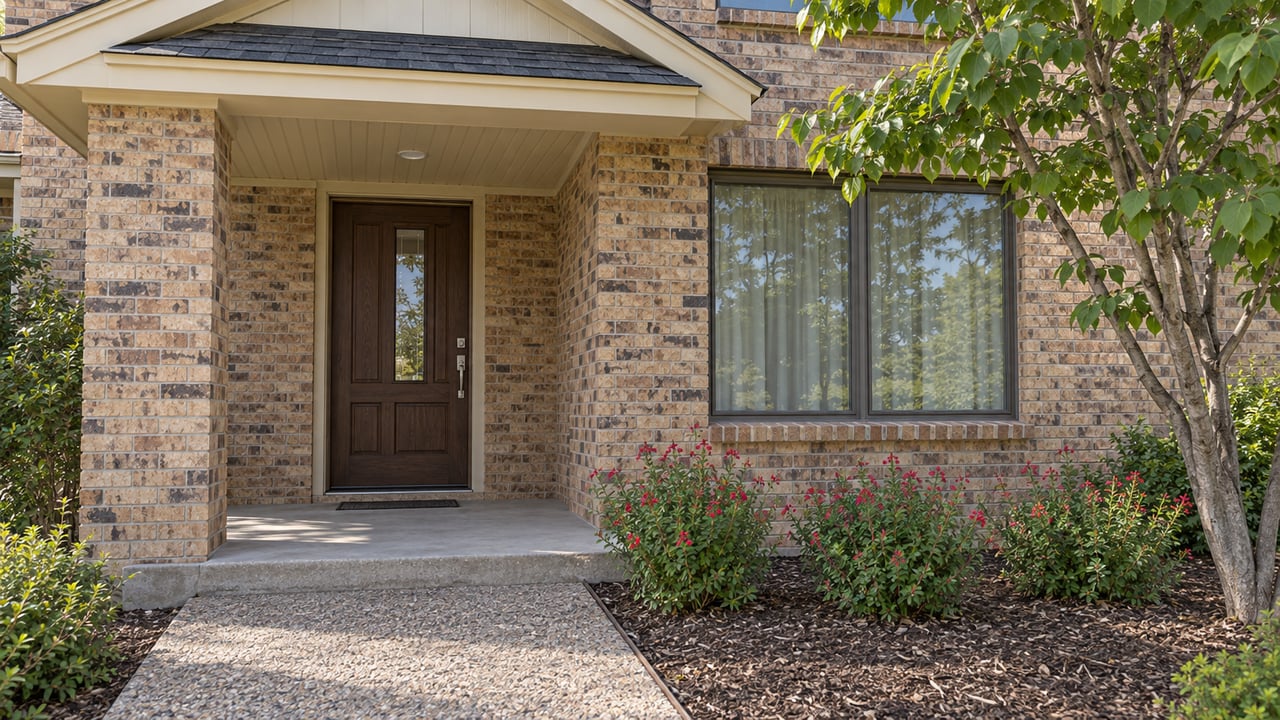
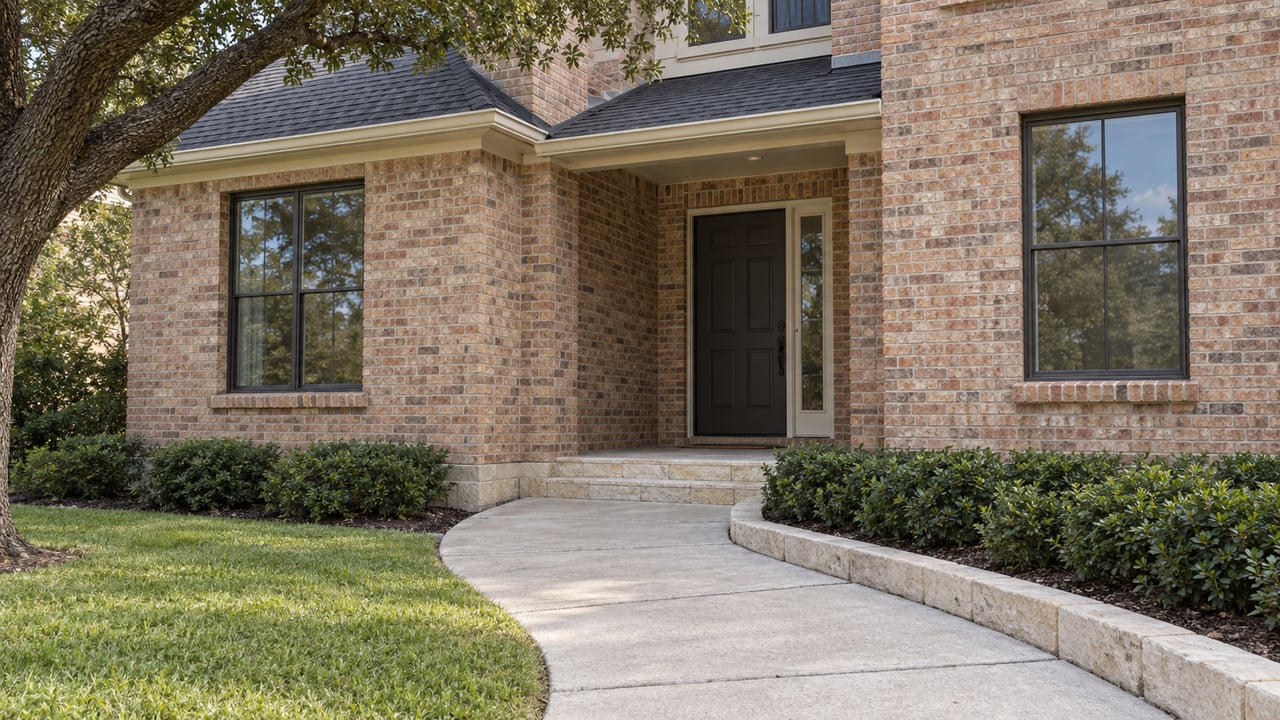
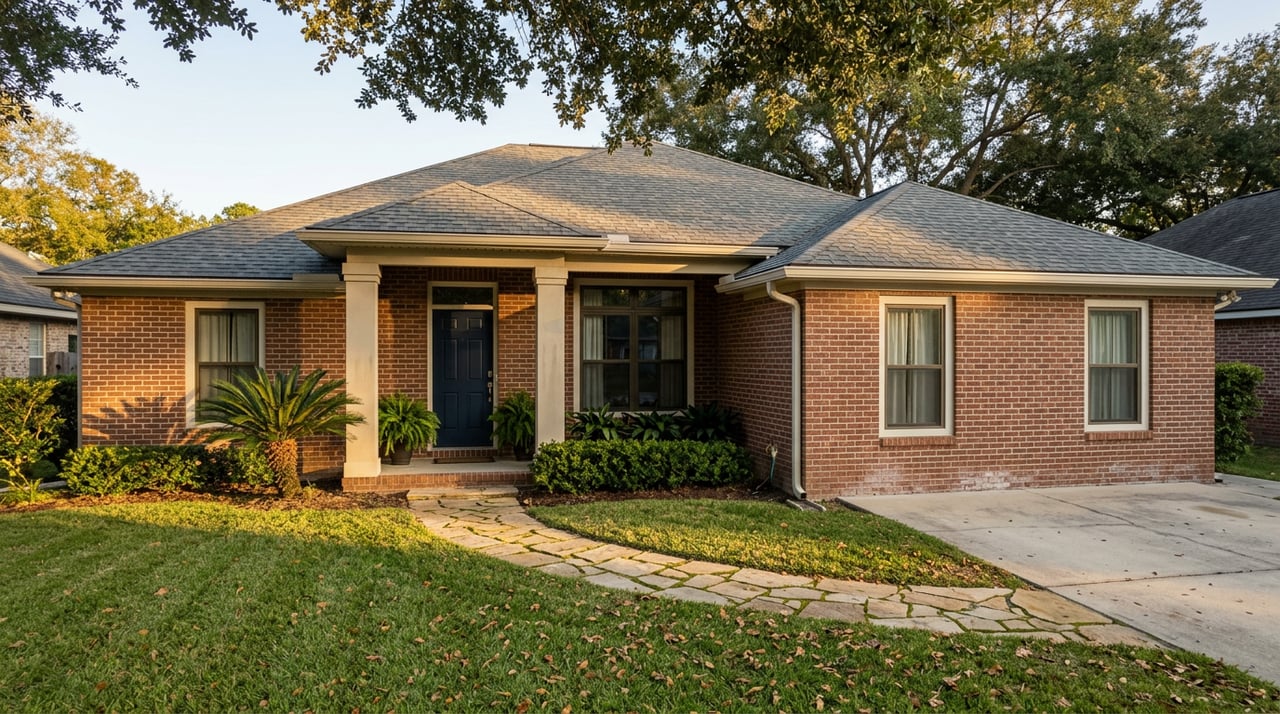
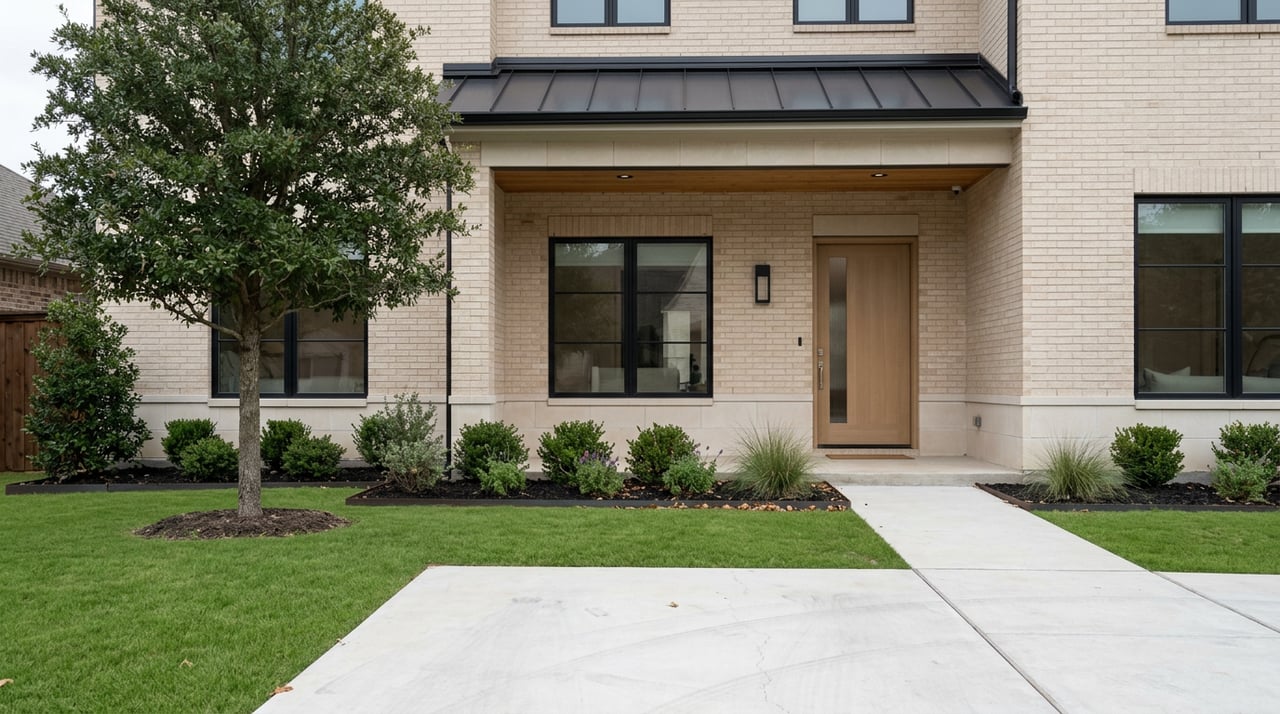
Celina’s new-home landscape is led by master-planned communities with parks, trails, and amenities that appeal to a wide range of buyers. Well-known examples include Light Farms, Mustang Lakes, and Cambridge Crossing, plus additional villages and phases. National and regional builders are active across these communities, offering diverse floor plans and price bands.
For you as a buyer, this scale has two takeaways:
- Choice and amenities are strong. You can compare lot sizes, community features, and build timelines across several neighborhoods.
- Near-term pricing can be more flexible. When multiple builders deliver inventory at once, incentives and rate buydowns often appear, which can help you secure value on a new home while the area continues to mature.
Housing prices: where Celina sits now
Celina’s median sale price in the latest monthly snapshot on Redfin is about 477,500 dollars, and the platform shows a recent year-over-year decline with longer days on market. That softening lines up with the broader wave of new construction across northern Collin and Denton counties that has temporarily increased supply.
By comparison, Frisco and Prosper sit at significantly higher price points in recent datasets. Prosper often lands in the 800,000 dollar range in recent monthly snapshots, and Frisco commonly shows a median in the high 600,000s to low 700,000s. The gap illustrates why Celina attracts buyers seeking newer homes and community amenities at a lower entry point than Frisco or Prosper.
Will Celina follow Frisco’s path?
What looks similar
- Land and scale. Celina still has substantial land for planned growth, with a municipal vision that anticipates a large buildout. You can review business and planning context on the Celina Economic Development Corporation site.
- Strategic anchors. A hospital, a college campus, and imminent Tollway access are the same types of anchors that supported Frisco’s growth arc. Over time, these draw complementary services and employers.
- Regional draw. As the Tollway extends and retail and services cluster, Celina benefits from the same northward migration patterns that lifted neighboring suburbs.
What is still developing
- Corporate and office presence. Frisco’s job base grew alongside residential growth, which helped stabilize demand and support pricing. Celina is earlier in building that employer ecosystem. You can see the long-horizon, jobs-plus-infrastructure model in Frisco’s development materials.
- Near-term supply. Multiple master-planned communities produce a lot of new homes quickly. That supply can soften resale pricing in the short run, even as long-term fundamentals remain supportive.
In short, Celina has many of the right inputs. The timeline is simply earlier, which creates opportunity if you buy carefully and focus on the indicators below.
What to watch in 2026 if you plan to buy
Track these practical signals to gauge timing and leverage:
- Inventory and months of supply. If months of supply climbs and stays near or above six months, buyers usually gain bargaining power. Watch days on market and price reductions alongside this.
- Median sale price and year-over-year change. Compare Celina’s monthly trend to Frisco and Prosper to see whether price gaps are narrowing or widening.
- Builder incentives and new-build share of closings. Incentives like rate buydowns, design credits, or closing costs indicate competition among builders, which often pressures resale prices. For a metro-level view of how new supply and rates interact, see this DFW market summary.
- Road and utility milestones. Tollway segment openings, major intersection upgrades, and wastewater expansions influence commute times, absorption, and future commercial activity. Local reporting on DNT and utility projects can keep you current.
- School enrollment versus capacity. District bond measures and new campuses affect taxes, service levels, and boundary lines. Check official district sources for updates before you buy.
Buyer strategies that work in Celina now
Use today’s conditions to your advantage:
- Compare new-build versus resale. Ask for a line-item comparison of final price, incentives, estimated timeline, and warranty coverage. Builders may offer interest rate buydowns or credits that improve your monthly payment.
- Prioritize commute and access. Homes closer to current and future Tollway access often see stronger long-term demand. Balance that with your daily routes to work, school, or healthcare.
- Inspect taxes and fees. Many new communities rely on special districts and have HOA dues. Review total monthly costs, including any special assessments, before you commit.
- Time your offer. If inventory ticks higher or a builder releases a new phase, that can be a window to negotiate extras on a new home or pricing flexibility on a resale.
- Think resale from day one. Choose floor plans, lot placements, and community amenities with broad appeal. That protects future value whether you stay five years or fifteen.
The bottom line
Celina has the growth story, the land, and the anchors that signal long-term potential. It also has a near-term supply wave that gives you negotiating room. If you want newer-home options and community amenities at a lower price point than Frisco or Prosper, Celina is worth a close look. Focus on inventory trends, builder incentives, and the Tollway timeline as you plan your move.
When you are ready to tour neighborhoods, compare new-build and resale options, or set up a smart offer strategy, reach out to The Mendez Group. We are local, bilingual, and focused on helping you buy with confidence in North Texas.
FAQs
Is Celina, TX really one of the fastest-growing cities?
- Yes. The U.S. Census Bureau’s Vintage estimates list Celina among fast-growing incorporated places, and the City of Celina reported 64,726 residents as of Jan 1, 2025 on its official site.
How will the Dallas North Tollway extension impact Celina homebuyers?
- As new segments open, commute times to the Tollway corridor should improve, which often supports demand and commercial interest. Follow Community Impact’s reporting for timeline updates.
Are Celina home prices lower than Frisco and Prosper right now?
- In recent monthly snapshots, Celina’s median sale price is around 477,500 dollars and shows a year-over-year decline, while Frisco and Prosper sit substantially higher. Exact figures vary month to month.
What major amenities opened in Celina in 2025?
- Methodist Health System opened a full-service hospital in Celina in 2025, and the Collin College Celina Campus continues to expand services for local students and workforce development.
What risks should I weigh before buying in Celina?
- Near-term supply from multiple new-home communities, potential utility or school-capacity bottlenecks, and broader interest rate trends. Monitoring inventory, incentives, and infrastructure milestones can help you time your move.