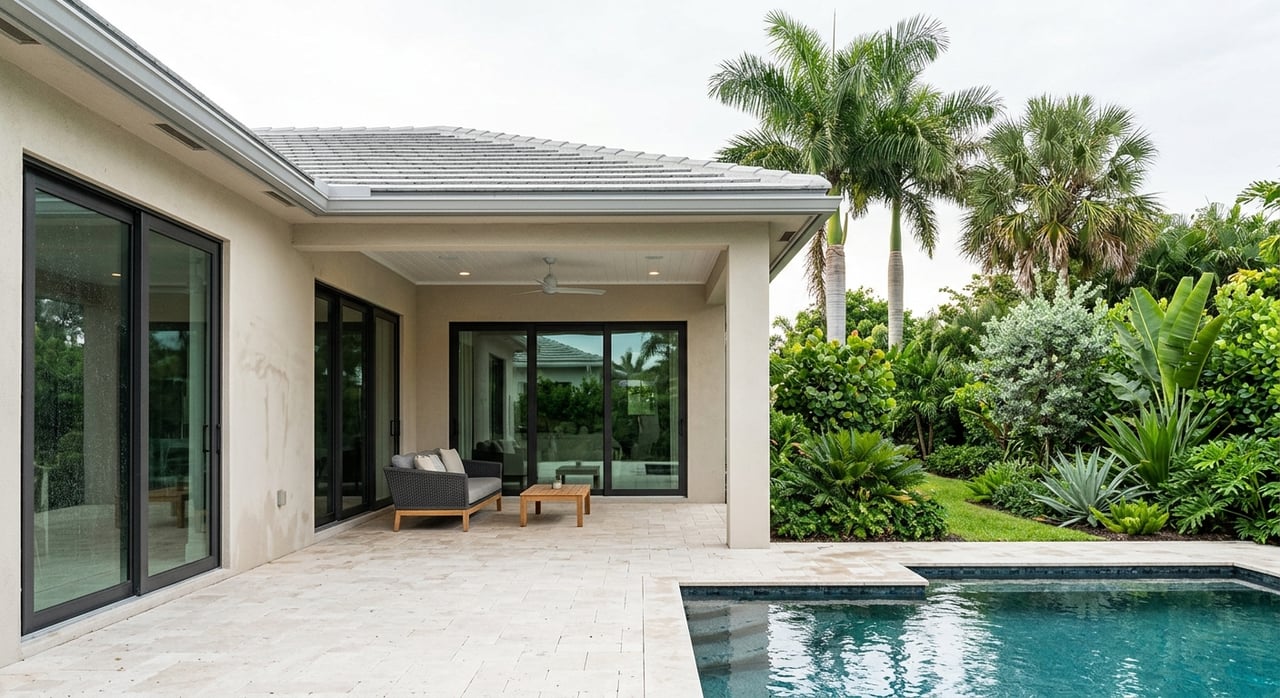
Are you outgrowing your current home but feeling stuck between selling one property and buying the next? If you are planning to upsize in Pembroke Pines, you are not alone. Many homeowners want more room, a better layout, or extra flexibility, but they also want to protect their equity and avoid a stressful double move. This guide will help you understand the local market, plan your timing, and make smart financial decisions before you make your next move. Let’s dive in.
Why Pembroke Pines Works for Move-Up Buyers
Pembroke Pines continues to be a strong fit for homeowners looking for more space. The city is estimated to have 176,714 residents in 2025, with 64,875 households, 2.66 persons per household, and a 69.6% owner-occupied housing rate. That kind of housing profile often points to a market where many households are thinking long term and making space-related decisions carefully.
If you already live in Pembroke Pines, upsizing within the city can let you keep your routine while gaining the features you need. That might mean an extra bedroom, a larger yard, a home office, or more functional living space. The key is making sure your sale and purchase work together, both on paper and in real life.
What the Pembroke Pines Market Looks Like
In the Broward County MLS-based Q1 2026 single-family report, Pembroke Pines had 195 closed sales, a median sale price of $665,000, a median time to contract of 47 days, 95.7% of original list price received, 245 active listings, and 3.3 months of supply. Those numbers suggest a market where well-prepared homes can sell, but pricing still needs to be realistic.
If you are searching in the 33028 zip code, the median sale price was $750,000 and the median time to contract was 31 days. That matters because many move-up buyers stay within the same city but shop in a more expensive pocket for a larger home. Your budget may need to stretch more than expected, even if you are not leaving Pembroke Pines.
Countywide, Broward single-family homes posted a median sale price of $615,000 and a median time to contract of 55 days. Compared with the county, Pembroke Pines showed a higher median sale price and a faster contract timeline in Q1 2026. That is useful context when you set expectations for both your sale and your next purchase.
Price Your Current Home to Move
One of the biggest mistakes move-up sellers make is pricing based on hope instead of recent comparable sales. In Pembroke Pines, single-family homes closed at about 95.7% of original list price in Q1 2026. That means buyers are still negotiating, and an inflated asking price can work against your timeline.
A separate portal data source for all home types showed a lower median sale price, longer time on market, and a high share of price drops. The lesson is simple: pricing advice should match your property type and your specific micro-area. If you own a single-family home, you want to compare it against recent single-family sales, not broad citywide averages across condos, townhomes, and houses.
For an upsizing move, speed matters almost as much as price. If your home lingers on the market because it is overpriced, your next purchase may become harder to coordinate. A strong pricing strategy can help you protect momentum.
Focus on the Prep That Buyers Notice
You do not always need a major renovation to improve your sale. Often, the best return comes from presenting the home clearly and cleanly so buyers can picture themselves living there. That is especially important when you are trying to sell and buy on a connected timeline.
The 2025 Profile of Home Staging found that 83% of buyers' agents said staging made it easier for buyers to visualize the property as a future home. The living room, primary bedroom, and kitchen were identified as the most important rooms to stage. The same report found that some sellers' agents saw a 1% to 5% increase in dollar value offered, while others reported slight decreases in time on market.
For most Pembroke Pines sellers, a practical prep plan includes:
- Decluttering everyday spaces
- Completing light repairs
- Refreshing the living room, primary bedroom, and kitchen
- Making sure the home shows well in photos and video
- Creating a polished online listing package
That last point matters more than ever. The same staging research found that photos, traditional physical staging, videos, and virtual tours were important to buyers' agents. If you want strong early interest, your online presentation should do a lot of the heavy lifting before a showing ever happens.
Sell First or Buy First?
This is the question that shapes the whole upsize plan. There is no one-size-fits-all answer, but there are tradeoffs you should understand before making a move.
When selling first makes sense
Selling first usually lowers your financial risk. You know how much equity you have, you reduce the chance of carrying two mortgage payments, and you can shop with a clearer budget. For many households, this is the safer path.
The downside is timing. If your current home sells before your next one closes, you may need a temporary housing plan. That could mean a short-term rental, staying with family, or negotiating flexibility in your closing timeline.
When buying first makes sense
Buying first can help you lock in the next home before someone else does. That may feel important if you are aiming for a specific area or home style and inventory is limited. It can also reduce the stress of moving twice.
But buying first only works comfortably if you have enough equity, savings, or financing to manage the overlap. If your current home has not sold yet, you may be responsible for multiple housing-related payments at the same time.
How contingencies affect your offer
A home sale contingency can be useful when you need your current home to sell in order to finance the next one. Freddie Mac notes that contingencies are a normal part of the buying process. At the same time, too many contingencies can make an offer less attractive to a seller.
That is why strategy matters. In a competitive situation, a contingent offer may still work, but the seller may continue marketing the property while the contingency is active. If you need to use this approach, it helps to build the rest of your offer as strongly as possible.
Why preapproval matters more when upsizing
If you may need to buy before your current home closes, lender conversations should happen early. Fannie Mae allows bridge or swing loans as an acceptable source of funds in some cases, but the lender must document that you can carry the payments on the new home, current home, bridge loan, and other obligations.
That makes a realistic cash-flow review essential. Before you start touring larger homes, you should understand:
- Your likely sale proceeds
- Your planned down payment
- Your target monthly payment range
- Whether temporary overlapping payments are manageable
- Whether a bridge financing option is realistic for your situation
With the 30-year fixed mortgage averaging 6.49% on June 25, 2026, payment planning still matters. Even if inventory exists, affordability can quickly narrow your options when you move into a higher price bracket.
Don’t overlook Florida property taxes
One of the most important parts of upsizing in Florida is also one of the easiest to miss. Your future tax bill may look very different from the current owner's tax bill. Broward County Property Appraiser warns buyers not to assume the previous owner's taxes will carry over after a sale, because a change of ownership resets the assessed value to full market value.
That can create real payment shock for move-up buyers, especially long-time owners who have benefited from lower assessed value growth on their current homestead. If you are building a budget for your next home, make sure you estimate property taxes based on the new purchase, not the seller’s current bill.
How homestead portability can help
Florida does offer a potential tax benefit for eligible homeowners who move from one Florida homestead to another. The state allows you to port all or part of your Save Our Homes assessment difference to the new homestead. According to the Florida Department of Revenue, the transferable amount is capped at $500,000.
The portability benefit does not transfer automatically. The portability form should be filed with your new homestead application by March 1 of the first year after the move. You also need to submit a new homestead application for the new residence.
For many Pembroke Pines homeowners, this step can make a meaningful difference in long-term housing costs. It is one more reason to plan your move with both sale proceeds and future ownership costs in mind.
A simple upsizing game plan
If you want to keep your move organized, start with a clear sequence. A step-by-step plan can help you avoid rushed decisions.
Step 1: Get a local pricing baseline
Look at recent single-family closed sales in your part of Pembroke Pines and compare them carefully to your home. The goal is to price based on today’s market, not last year’s headlines.
Step 2: Tighten your home’s presentation
Focus on decluttering, light repairs, and the rooms buyers notice first. Strong photography, video, and a polished online listing can help attract better early interest.
Step 3: Review financing early
Talk through your preapproval, cash flow, and overlap options before you shop seriously. If buying first is even a possibility, you need to know what your lender will support.
Step 4: Build a tax-aware budget
Estimate your future payment using current rates and a fresh property tax assumption. If you qualify for homestead portability, factor that into your planning too.
Step 5: Match timing to your risk comfort
If staying financially conservative matters most, selling first may be the better fit. If securing the next home is the top priority and you can handle overlap, buying first may be workable.
Final thoughts on upsizing in Pembroke Pines
Upsizing is exciting, but it works best when you treat the sale and purchase as one connected strategy. In Pembroke Pines, realistic pricing, smart prep, early financing review, and Florida-specific tax planning can all make a big difference.
If you want more space without adding more stress, the right plan starts before your home hits the market. For personalized guidance on selling smart and buying bigger in Pembroke Pines, connect with The Mendez Group.
FAQs
What is the median single-family home price in Pembroke Pines?
- In the Broward County MLS-based Q1 2026 report, the median single-family sale price in Pembroke Pines was $665,000.
How long does it take to sell a single-family home in Pembroke Pines?
- In Q1 2026, the median time to contract for single-family homes in Pembroke Pines was 47 days.
Should I sell my Pembroke Pines home before buying a bigger one?
- Selling first is usually safer for cash flow because it reduces the risk of carrying two mortgages, while buying first works best if you have enough equity, savings, or financing to handle overlap.
Can I make a contingent offer when upsizing in Pembroke Pines?
- Yes. A home sale contingency can be used if your current home must sell to help fund the next purchase, but contingencies can make your offer less attractive to a seller.
How long does closing usually take after my offer is accepted?
- Closing typically takes about 30 to 45 days after an offer is accepted.
Do Florida property taxes reset when I buy a new home?
- Yes. Broward County Property Appraiser warns that a change of ownership resets assessed value to full market value, so you should not assume the previous owner's tax bill will continue.
Can I transfer my Florida homestead tax benefit to a new home?
- Eligible Florida homeowners may port all or part of their Save Our Homes assessment difference to a new Florida homestead, up to a $500,000 cap, if they file the required forms on time.