Choosing the right Miami condo comes down to two things: how you’ll live day to day and how the numbers pencil out. You want walkability, water views, or quick transit—and you also want an asset that holds value. In this guide, you’ll compare Brickell, Downtown, Edgewater, and Midtown with clear lifestyle context, current price snapshots, and the key due diligence steps to protect your investment. Let’s dive in.
How to choose your Miami condo
Before you fall in love with a view or a lobby, get clear on the basics:
- Daily life: walkability, parks, gym access, dining, transit, and commute time.
- Building profile: amenity set, HOA budget, reserves, and inspection status.
- Price and liquidity: recent neighborhood sale averages and days on market.
- Investment rules: rental policies, short-term license rules, and lender eligibility.
As of Q2 2025, the Miami Downtown Development Authority reports clear differences by neighborhood in price, supply, and product type. Use the snapshots below as a starting point, then validate building-level details during due diligence. You can review the latest neighborhood-level context in the Greater Downtown Miami Residential Analysis.
Brickell: urban core and amenities
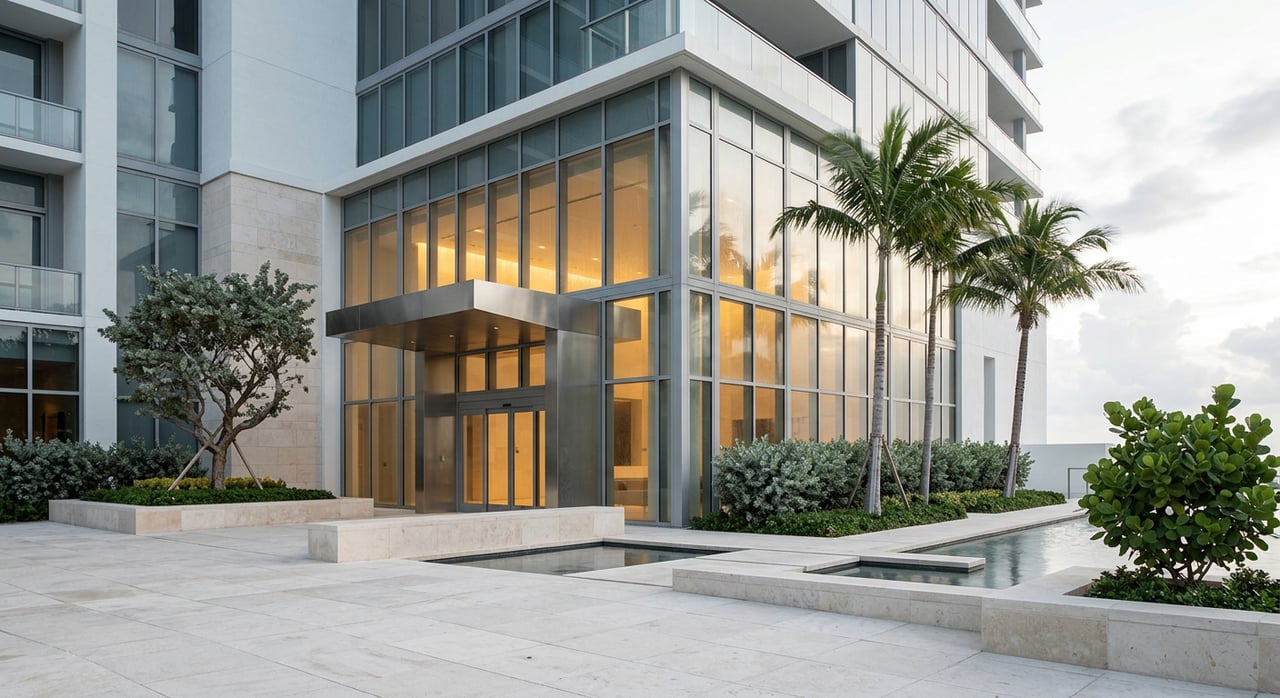
Brickell is Miami’s financial and residential powerhouse with a dense cluster of high-rise, full-service towers. You’ll find hotel-branded and resort-style amenities, plus major retail anchors like Brickell City Centre. For many trips, you can go car-optional thanks to the Metromover and Metrorail connections.
As of Q2 2025, Brickell held the largest share of Greater Downtown condo inventory and averaged about $939,000 per unit, with wide variation by building and floor plan, according to the DDA report. Amenity-rich towers can command premium rents but typically carry higher HOA dues. Confirm building-specific budgets, reserve studies, and insurance quotes—HOA and insurance volatility has been a major factor in recent condo markets.
Investment quick take:
- Strengths: depth of product, strong renter pool for certain unit sizes, and transit access.
- Tradeoffs: higher HOA costs, potential for special assessments tied to inspection and reserve laws, and more investor-driven supply in some buildings.
Downtown (CBD): culture and mixed-use options
Downtown places you close to museums, event venues, and offices, with a mix of older and newer towers. The product ranges from mid-market to luxury, and some buildings permit short-term or serviced-apartment models, subject to rules. Heavy Metromover coverage supports car-light living.
DDA data shows Downtown’s prices sit in the mid-to-high range of Greater Downtown, with competitive rental demand and some of the area’s highest condo rents in market and luxury segments. If you plan on renting, confirm the building’s lease terms and the city’s licensing rules early in your process.
Investment quick take:
- Strengths: cultural anchor, strong renter and visitor demand in select properties.
- Tradeoffs: policy and licensing complexity for short-term rentals and new supply waves that can affect concessions.
Edgewater: bayfront lifestyle and long-term appeal
Edgewater lines Biscayne Bay and draws buyers who want water views and nearby green space, including Margaret Pace Park. The neighborhood has seen a wave of premium and branded residences, such as the EDITION Residences at Edgewater, with elevated amenity sets.
As of Q2 2025, Edgewater led Greater Downtown with an average sale price near $1.0 million per unit, driven by new waterfront towers, per the DDA. Waterfront scarcity and views support long-term demand, while flood and insurance exposure require careful underwriting. Confirm building-specific budgets, reserve studies, and insurance quotes—HOA and insurance volatility has been a major factor in recent condo markets.
Investment quick take:
- Strengths: premium waterfront lifestyle and limited bayfront land.
- Tradeoffs: higher insurance and HOA exposure, plus coastal flood risk and potential special assessments for coastal maintenance and inspections.
Midtown: walkable and lower entry price
Midtown offers a central, pedestrian-friendly environment with midrise and newer towers, plus everyday retail. It sits near the Design District and Wynwood, without the intense financial-district feel of Brickell.
As of Q2 2025, Midtown’s average sale price was about $678,000 per unit with relatively stable occupancy, according to the DDA. Stock is more limited than Brickell or Edgewater, which supports steady demand, while the absence of direct waterfront typically keeps prices below Edgewater and Brickell.
Investment quick take:
- Strengths: lower entry point, walkable lifestyle, and constrained inventory.
- Tradeoffs: fewer ultra-luxury rent premiums and the potential for future supply from planned projects.
Investment modeling: what to verify first
Run the numbers only after you verify the building’s fundamentals. Start with:
- Income: realistic market rent by unit type and lease term, plus expected vacancy.
- Expenses: HOA dues, insurance for your unit, property taxes, utilities, and management.
- Capital exposure: current reserves, pending or likely special assessments, and inspection timelines.
- Financing: lender appetite and warrantability for the building.
Florida’s post-Surfside rules require milestone structural inspections and ongoing reserve funding for condo buildings 3 stories or taller. Review timelines and budgets carefully because these requirements have led to higher dues and assessments in many buildings. See the state’s overview of milestone inspection requirements.
Insurance costs are another major factor in Miami-Dade. Regional reporting shows unit-owner premiums rising, especially in coastal zones. For context on local trends and why quotes can vary widely, review recent coverage of condo insurance costs. Always obtain building-specific quotes.
Quick match guide
Use this simple guide to align your lifestyle with the right area:
- Brickell: choose if you prioritize transit, dense amenity sets, and fast access to office cores.
- Downtown: choose if cultural venues and mixed-use energy are top of your list.
- Edgewater: choose if bay views, parks, and premium towers matter most.
- Midtown: choose if you want walkability and a central location at a lower price point.
Buyer and investor checklist
Work through these items before you make an offer:
- Request the association’s budget, financials, reserve study, recent meeting minutes, insurance certificates, and any pending assessments or litigation disclosures.
- Verify the building’s milestone inspection and recertification status, including any recommended repairs and funding plans. Review Florida’s milestone inspection factsheet.
- Confirm whether the building is financeable with your preferred loan type and whether a full or limited condo project review is required.
- If rental income matters, review city rules on licensing and building lease terms. Start with the City of Miami’s short-term rental procedures.
- Obtain a flood zone map for the exact address via the FEMA Flood Map Service Center and secure insurance quotes.
- For waterfront or low-lying properties, consider long-term exposure using resources on sea-level rise and coastal flooding.
- Confirm building-specific budgets, reserve studies, and insurance quotes. HOA and insurance volatility has been a major factor in recent condo markets.
Ready to compare buildings, line up financing, and tour the right options? Reach out to The Mendez Group for personalized guidance and a step-by-step plan, in English or Spanish.
FAQs
What’s the average condo price in Brickell right now?
- As of Q2 2025, the DDA reports an average sale price near $939,000 per unit in Brickell, with wide variation by building, floor plan, and view.
Is Edgewater more expensive than Brickell for condos?
- Yes, as of Q2 2025 the DDA shows Edgewater with the highest average sale price in Greater Downtown, around $1.0 million per unit, driven by new waterfront towers.
Do Miami HOAs and insurance make condos hard to cash flow?
- They can. Recent inspection and reserve rules plus higher insurance have raised carrying costs in many buildings, so verify dues, reserves, and insurance quotes before modeling returns.
Can I do short-term rentals in Downtown Miami condos?
- It depends on both city rules and building documents—check the City of Miami’s short-term rental procedures and the association’s lease restrictions before you buy.
How car-free can I be in Brickell or Downtown?
- Quite a bit for daily needs. Brickell and Downtown have strong Metromover coverage, which connects to Metrorail and reduces the need for a car for many trips.