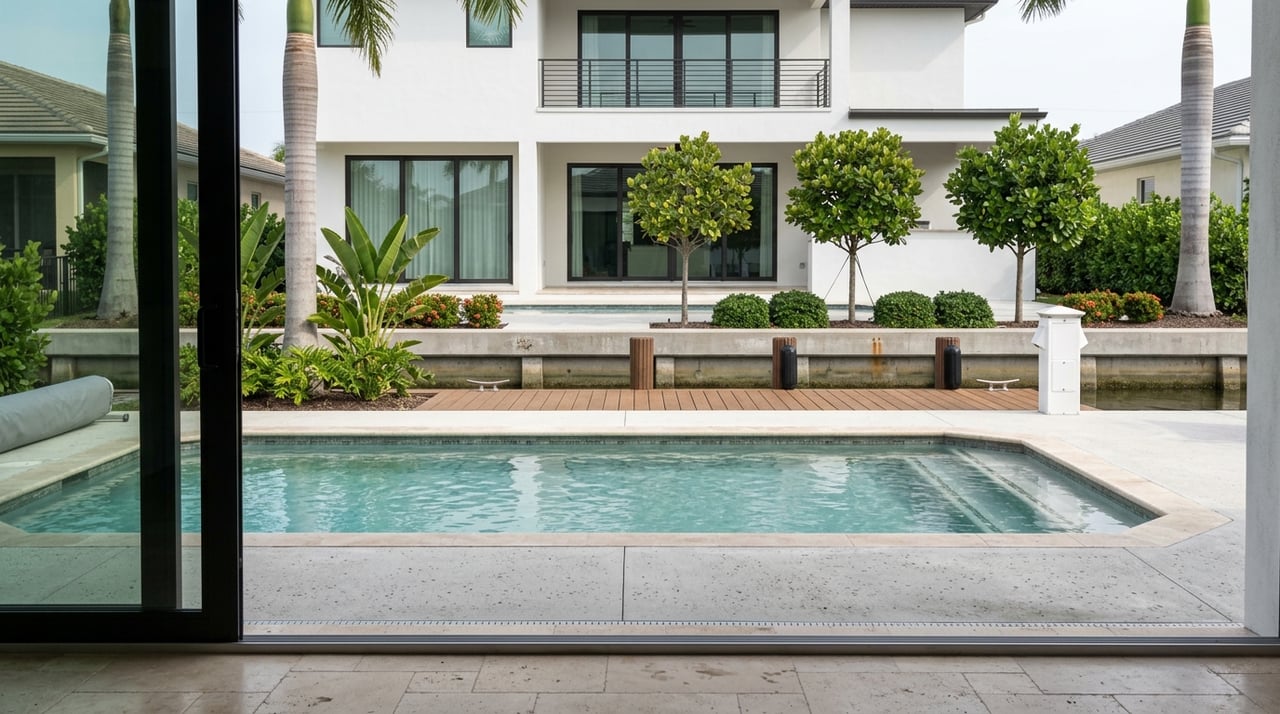
Picture this: you find a beautiful Fort Lauderdale waterfront home, imagine morning coffee by the water, and then realize the real questions start after the showing. Waterfront living here can be incredible, but it is not one-size-fits-all, and the true cost goes far beyond the view. If you are thinking about buying on the water, this guide will help you understand the differences between property types, key cost drivers, and the due diligence that can protect your budget and lifestyle. Let’s dive in.
Fort Lauderdale Waterfront Means Different Things
Fort Lauderdale is known for its boating lifestyle, and the city says it has 165 miles of scenic inland waterways. That sounds simple at first, but in practice, “waterfront” can describe very different properties with very different risks and benefits.
You may be comparing a canal-front home, a property on a larger waterway, or an oceanfront residence. Each option can affect privacy, weather exposure, boating access, and how much of the home’s value is tied to true water use versus proximity to the coast.
Canal-Front Homes Feel Different
Canal-front homes often offer a more residential setting and a sense of privacy. They can be a great fit if you want the feel of living on the water without the same exposure that comes with direct oceanfront property.
That said, canal-front does not automatically mean boat-ready. The Florida Department of Environmental Protection regulates work in surface waters, and dock rules can limit size, depth, and the number of vessels a private dock can serve.
Oceanfront Comes With Higher Exposure
Oceanfront property offers a very different ownership experience. FEMA identifies coastal high-hazard areas as Zone V, where wave action is a major concern and special construction requirements can apply, including elevated building methods.
For you as a buyer, that means oceanfront and inland waterfront should not be viewed as the same category. Both may be marketed as waterfront, but the risk profile and long-term carrying costs can look very different.
Flood Zone and Elevation Matter
One of the biggest mistakes waterfront buyers make is focusing on the home and not enough on the parcel. In Fort Lauderdale, flood zone and elevation can have a major effect on insurance, future improvements, and your monthly ownership costs.
Broward County says buyers should review its current flood zone maps, effective July 31, 2024, along with parcel-specific base flood elevation data. The county also notes that these base flood elevations must be used for new construction and substantial improvements.
Lower Risk Does Not Mean No Risk
Broward County identifies AO, AE, AH, and VE as mandatory-purchase flood zones. X-shaded areas are considered lower risk, but they are not risk-free.
That point is important because FEMA notes that nearly 1 in 4 NFIP claims occur in moderate-to-low-risk areas outside the most obvious special flood hazard zones. So if a listing sits outside the highest-risk category, that should not end your research.
Base Flood Elevation Affects Future Costs
Base flood elevation is not just a technical number on a map. It can affect construction standards, major renovation planning, and how you think about long-term updates to the property.
If you are buying an older waterfront home, this becomes especially important. A home that works for you today may involve added cost later if you plan significant improvements and need to meet current standards.
Insurance Can Change the Real Budget
If you are budgeting for a waterfront purchase in Fort Lauderdale, insurance should be part of the conversation early. It is one of the biggest factors separating a comfortable ownership experience from an unexpectedly expensive one.
Florida’s Chief Financial Officer says standard homeowners insurance does not cover flood damage. Flood insurance is typically separate and is usually written through the National Flood Insurance Program or a private insurer.
Flood Insurance Is Not Automatic
Many buyers assume they can wait until late in the process to think about flood coverage. That can create problems because Florida guidance notes that flood insurance usually has a 30-day waiting period, with some exceptions tied to certain loan transactions and map-change situations.
In short, you do not want flood coverage to become an afterthought after closing. It is smarter to understand your options while you are still evaluating the full cost of the purchase.
Premiums Vary by Property
Flood insurance pricing is not flat. Florida guidance says premiums can depend on elevation, distance from a flood source, construction method, and rebuild cost.
FEMA also notes that flood insurance calculations can vary based on flood zone, location, structure design, age, and coverage type. For you, that means two homes with similar price tags can carry very different insurance costs.
Wind Coverage Matters Too
Flood is only part of the insurance picture. Florida’s CFO also warns that some homeowners policies do not cover windstorm damage, which is a major issue for coastal buyers.
The same guidance says insurers may stop taking new applications or coverage increases as a hurricane approaches. It also notes that Citizens may require flood insurance for certain applicants, which adds another reason to get quotes early.
Docks, Seawalls, and Permits Are Major Factors
A waterfront home is not just a house with a view. It can also come with shoreline structures that affect usability, maintenance, and future repair costs.
That is why buyers should treat docks, lifts, and seawalls as key parts of the property, not side details. What is physically present at the home is not always the same as what is properly permitted or legally usable.
Dock Access Needs Verification
The Florida Department of Environmental Protection says dredging and filling activities in surface waters, including work involving dock pilings and seawalls, are regulated through the Environmental Resource Permit program. Depending on the setup, a dock may fall into exempt, general permit, or individual permit categories.
For buyers, this means boat access is not just about whether a boat fits at the seawall. You need to know whether the lot can support the dock, lift, and vessel use you actually want.
Fort Lauderdale Has Local Rules Too
Fort Lauderdale adds another layer of review. The city says nothing but a mooring device can be installed or attached to a seawall, and permits are required before construction, repair, or replacement work begins.
That makes permit history extremely important. If you are considering a property with an existing dock or lift, it is wise to confirm that the improvements were properly approved rather than assuming everything visible is compliant.
Seawall Condition Can Affect Your Budget
Seawalls do more than define the edge of the lot. They play an important role in protecting the property and can become a major capital expense if they need repair, replacement, or height adjustments.
Fort Lauderdale says property owners must maintain seawalls in good repair and may need to raise them under certain conditions. The city has also updated standards to reflect sea-level-rise planning and regional tidal barrier guidance.
Waterfront Costs Go Beyond the Purchase Price
The purchase price is only one piece of the equation. The true cost of waterfront living in Fort Lauderdale can include insurance, maintenance reserves, and shoreline-related repair planning.
That stack may include flood insurance, hurricane deductibles, dock or seawall permitting costs, and future repair work on older structures. Florida guidance also notes that NFIP flood policies do not include additional living expense coverage, which means temporary housing costs after a flood may not be covered the way some buyers expect.
Seawall Work Can Be Expensive
Fort Lauderdale has published example cost ranges that help show the scale of waterfront structural work. The city lists new seawall costs at roughly $650 to $2,000 per linear foot depending on depth and location.
It also gives example figures of about $60 per cubic foot for epoxy mortar repairs, roughly $75 to $125 per linear foot for a 12-inch cap, and around $2,000 to $5,000 per job for engineering and permitting. These are strong reminders that shoreline structures should be reviewed carefully during due diligence.
A Smart Buyer Checklist
If you love the idea of waterfront living, the goal is not to be scared off. It is to buy with clear eyes and a plan that matches your budget, boating goals, and comfort with ongoing maintenance.
A careful review upfront can help you avoid surprises later. In many cases, the best waterfront purchase is not the one with the flashiest listing photos, but the one that fits your intended use and long-term costs.
Key Questions to Ask Before You Buy
- What is the property’s current flood zone?
- What is the parcel’s base flood elevation?
- What are the current flood and wind insurance quote ranges?
- What is the age and condition of the seawall?
- Is there permit history for the dock, lift, seawall, or other shoreline work?
- Can the lot legally and physically support the type of boat you want to use?
- Are there signs that future seawall repair or raising may be needed?
Waterfront living in Fort Lauderdale can be a fantastic lifestyle choice when the property matches your real needs, not just the dream in the listing photos. If you want personalized guidance as you compare waterfront options, the bilingual team at The Mendez Group is here to help you move forward with clarity and confidence.
FAQs
What should buyers know about Fort Lauderdale waterfront homes?
- Buyers should know that Fort Lauderdale waterfront properties vary widely between canal-front, larger waterway, and oceanfront settings, and each option can differ in boating access, weather exposure, insurance needs, and long-term maintenance costs.
What flood zones matter for Fort Lauderdale waterfront property?
- Broward County identifies AO, AE, AH, and VE as mandatory-purchase flood zones, while X-shaded areas are lower risk but still not risk-free.
What does base flood elevation mean for Fort Lauderdale buyers?
- Base flood elevation is a parcel-specific measure used for new construction and substantial improvements, and it can affect future renovation planning and insurance costs.
What insurance should buyers review for Fort Lauderdale waterfront homes?
- Buyers should review both flood and wind coverage because standard homeowners insurance does not cover flood damage, and some policies may not include windstorm coverage.
What should buyers check about docks and seawalls in Fort Lauderdale?
- Buyers should confirm the condition and permit history of any dock, lift, or seawall and verify that the property can legally and physically support the boating use they want.
What can seawall repairs cost in Fort Lauderdale?
- Fort Lauderdale has published example ranges showing that new seawalls can cost roughly $650 to $2,000 per linear foot, with additional costs possible for repairs, caps, engineering, and permitting.