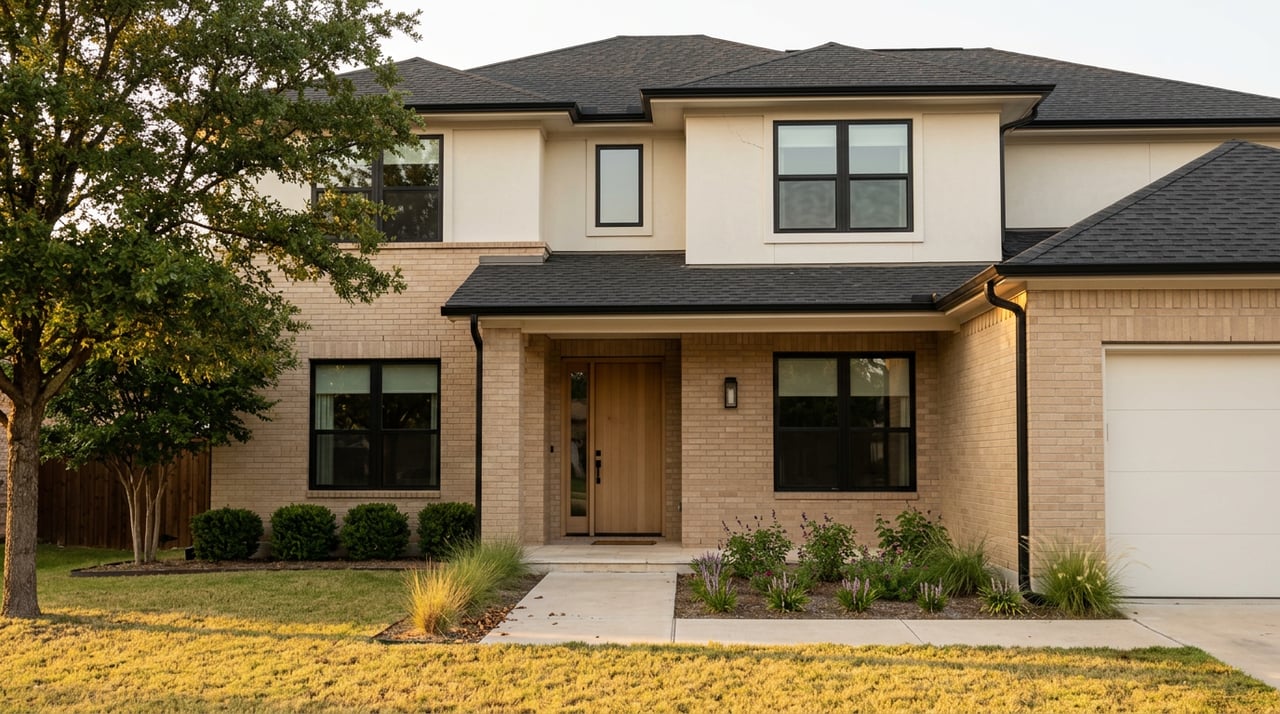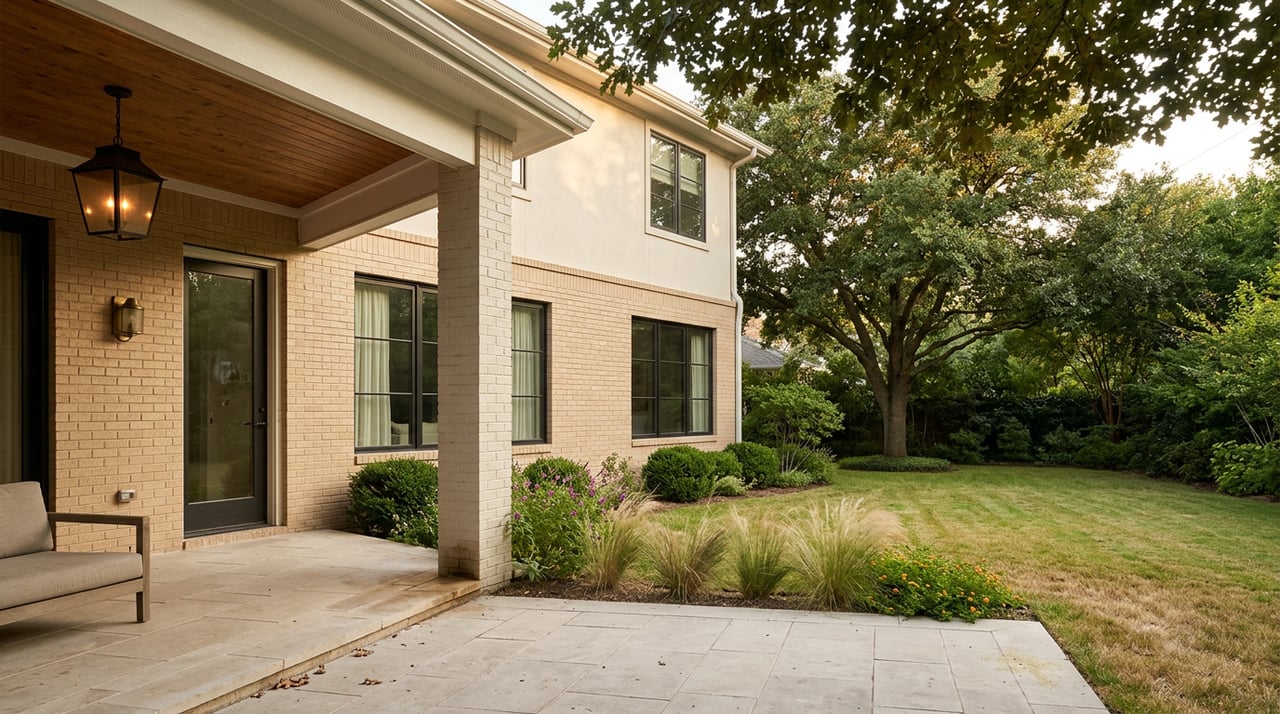
Wondering whether your first home in Miami should be a condo or a house? You are not alone. For many first-time buyers, the lower sticker price of a condo looks appealing, while the freedom of a house feels like the long-term goal. The good news is that you do not have to guess. If you compare costs, responsibilities, financing, and building rules the right way, the better choice usually becomes clear. Let’s dive in.
Miami Market Snapshot
If you are buying your first home in Miami, the condo versus house decision starts with today’s market reality. In April 2026, the median condo sale price in Miami-Dade was $450,000, while the median single-family home sale price was $670,000.
That price gap matters, but it is only part of the story. Condo inventory sat at 12.9 months, compared with 5.4 months for single-family homes. Miami REALTORS described that as a buyer’s market for condos and a seller’s market for houses.
In simple terms, condos may give you more choices and less pressure at the list-price level. Houses, on the other hand, can be more competitive because there are fewer available relative to demand.
Condos vs Houses: The Core Difference
The biggest difference is not just size or style. It is how ownership works day to day.
With a single-family house, you generally control the property and handle the upkeep. That means repairs, maintenance, property taxes, insurance, utilities, and any HOA dues that may apply are your responsibility.
With a condo, some of that responsibility shifts to the association. Under Florida law, the association is responsible for maintaining common elements and certain parts of the condominium property as laid out in the declaration.
That can lighten your maintenance load, but it does not remove costs. Instead, those costs are often built into monthly association dues, reserve contributions, and sometimes special assessments.
Why the Monthly Cost Matters More
A lower purchase price does not always mean a lower monthly cost. That is one of the most important lessons for first-time buyers in Miami.
Your total monthly housing payment can include:
- Principal and interest
- Property taxes
- Mortgage insurance, if required
- Homeowners insurance
- Flood insurance, if needed
- HOA or condo association fees
For a condo, the list price may be lower, but your monthly budget may still feel tight once you add HOA dues, insurance, and possible reserve-related costs. For a house, the monthly payment may start higher, but you may have more direct control over how and when maintenance happens.
Condo Costs to Watch in Miami
Condo ownership in Miami comes with some extra layers that first-time buyers need to understand before making an offer.
HOA Fees and Shared Expenses
Association dues are part of condo life. Those dues help cover common-area maintenance and other building-related costs, but they also affect how much home you can comfortably afford each month.
In some buildings, owners may also face special assessments. Florida’s insurance guidance notes that unit owners may be assessed for common-area damage not fully covered by insurance or where the association lacks reserves.
Interior Insurance Still Falls on You
Many buyers assume the building’s master insurance policy covers everything. In Florida, that is not how it works.
A condo unit-owner policy, often called HO-6, typically covers your personal property, personal liability, and certain interior items not covered by the association’s master policy. Florida’s insurance guide also states that master policies do not cover several interior items such as floor, wall, and ceiling coverings, appliances, cabinets, and window treatments.
Florida also requires condo unit-owner policies to include at least $2,000 in loss-assessment coverage, with a deductible of no more than $250. That is another reason to review insurance costs early, not at the last minute.
Older Building Costs and Assessments
In Miami-Dade, older condos need extra attention. The county’s recertification program applies to buildings at 30 years inland, 25 years coastal, and every 10 years after that. Single-family homes and duplexes do not go through this process.
Florida law also requires milestone inspections for condominium and cooperative buildings that are three habitable stories or more by the time they reach 30 years old, and every 10 years after that. Certain associations must also complete a structural integrity reserve study.
For you, that can mean higher dues, reserve contributions, or special assessments in some older buildings. This is why building age and financial health matter just as much as the unit itself.
House Costs to Plan For
A house gives you more control, but it also gives you the full list of ownership responsibilities.
You should plan for repairs, maintenance, property taxes, insurance, utilities, and any community dues that apply. These costs can change over time, so it is smart to leave room in your budget for the unexpected.
That does not mean a house is the wrong move. It simply means the financial picture is more direct. You are less likely to deal with building-wide assessments, but you are fully responsible when the roof, plumbing, or exterior needs attention.
Financing Can Be Easier or Harder
Financing is one of the biggest practical differences between buying a condo and buying a house in Miami.
Condo Financing Has an Extra Gatekeeper
When you buy a condo, the lender is not just reviewing you. The lender may also need to review the building or project itself.
That is especially important if you plan to use FHA financing or another lower-down-payment option. In April 2026, Miami REALTORS reported that only 21 of 2,397 condo buildings across Miami-Dade, Broward, and Palm Beach counties were FHA approved.
If you are a first-time buyer relying on FHA financing, that number matters. A condo may fit your budget on paper but still be out of reach if the building does not meet lender or project approval standards.
Down Payment and Closing Costs Still Matter
No matter which property type you choose, you should also budget for your upfront costs. Closing costs typically run about 2% to 5% of the purchase price before the down payment.
If you cannot put 20% down, your lender may require mortgage insurance, which increases your monthly payment. That can affect condos and houses alike, so it is important to compare the full payment, not just the home price.
Flood Risk and Insurance in Miami
In Miami, flood risk is a real part of the buying process. It should never be treated like a side note.
Standard homeowners insurance typically does not cover flood damage. Flood insurance is separate, and in high-risk flood areas, it is required for mortgages backed by government lenders.
You can verify flood risk using FEMA flood maps before making an offer. Whether you are looking at a condo or a house, checking flood exposure early can help you avoid surprises in both cost and coverage.
How to Review an Older Condo Building
If you are leaning toward a condo, especially an older one, a little extra homework can protect your budget.
Before you move forward, ask for:
- The association budget
- The reserve study
- The insurance summary
- The history of special assessments
- The building’s inspection or recertification status
These documents can tell you whether the building is planning ahead or playing catch-up. For a first-time buyer, that information can be just as important as the unit’s layout or view.
The Homestead Exemption Factor
If the home will be your primary residence in Miami-Dade, the homestead exemption may help lower your taxable value by up to $50,000. It also limits annual assessed-value increases to 3% or CPI, whichever is less.
That tax benefit can be meaningful if you plan to stay in the home long term. The filing deadline is March 1, and Miami-Dade warns that eligibility can be lost in certain rental situations, so it is important to understand how your future plans might affect that benefit.
Which First Home Fits You Best?
There is no one-size-fits-all answer. The right first home depends on your budget, your comfort with maintenance, and how long you expect to stay.
A condo may be a better fit if you want a lower entry price, more inventory, and less direct maintenance. You should also be comfortable with HOA costs, insurance details, building reviews, and the possibility of special assessments.
A house may be a better fit if you want more control and are ready to budget for the full cost of ownership. You may face a more competitive market, but you avoid some of the project-level issues that can complicate condo financing.
A Simple Way to Decide
If you are stuck between the two, compare each option using the same checklist:
- Total monthly payment
- Upfront cash needed
- Insurance requirements
- Maintenance responsibility
- Building or property condition
- Expected time in the home
- Financing eligibility
When you look at the full picture, the better choice usually stands out. In Miami, the smartest first home is not always the one with the lower list price. It is the one you can afford, understand, and feel confident owning.
Buying your first home in Miami can feel like a lot, especially when condos and houses each come with very different tradeoffs. The key is to slow down, look beyond the headline price, and match the property type to your real budget and lifestyle. If you want clear guidance in English or Spanish as you compare your options, The Mendez Group is here to help you move forward with confidence.
FAQs
What is the main cost difference between Miami condos and houses for first-time buyers?
- Condos usually have a lower median purchase price in Miami-Dade, but houses and condos should be compared by total monthly cost, including insurance, taxes, HOA fees, and maintenance.
Why can financing a Miami condo be harder than financing a house?
- Condo financing can be harder because the lender may need to approve both you and the condominium project, and only a very small number of South Florida condo buildings were FHA approved in the April 2026 market update.
What insurance should you expect when buying a condo in Miami?
- You will usually need your own HO-6 condo unit-owner policy for personal property, liability, and certain interior items not covered by the association’s master policy.
How do older Miami-Dade condo buildings affect your buying decision?
- Older condo buildings may have recertification, milestone inspection, reserve funding, or special assessment issues that can increase your ownership costs.
Is a single-family house in Miami always the better long-term investment for a first-time buyer?
- Not necessarily. A house offers more control, but the better fit depends on your monthly budget, financing path, maintenance tolerance, and how long you plan to live there.
What should you review before buying a condo in Miami-Dade?
- You should review the association budget, reserve study, insurance summary, special-assessment history, and the building’s inspection or recertification status.
How does the Miami-Dade homestead exemption help first-time homeowners?
- If the property is your primary residence, the homestead exemption may reduce taxable value by up to $50,000 and limit annual assessed-value increases, subject to county rules and deadlines.