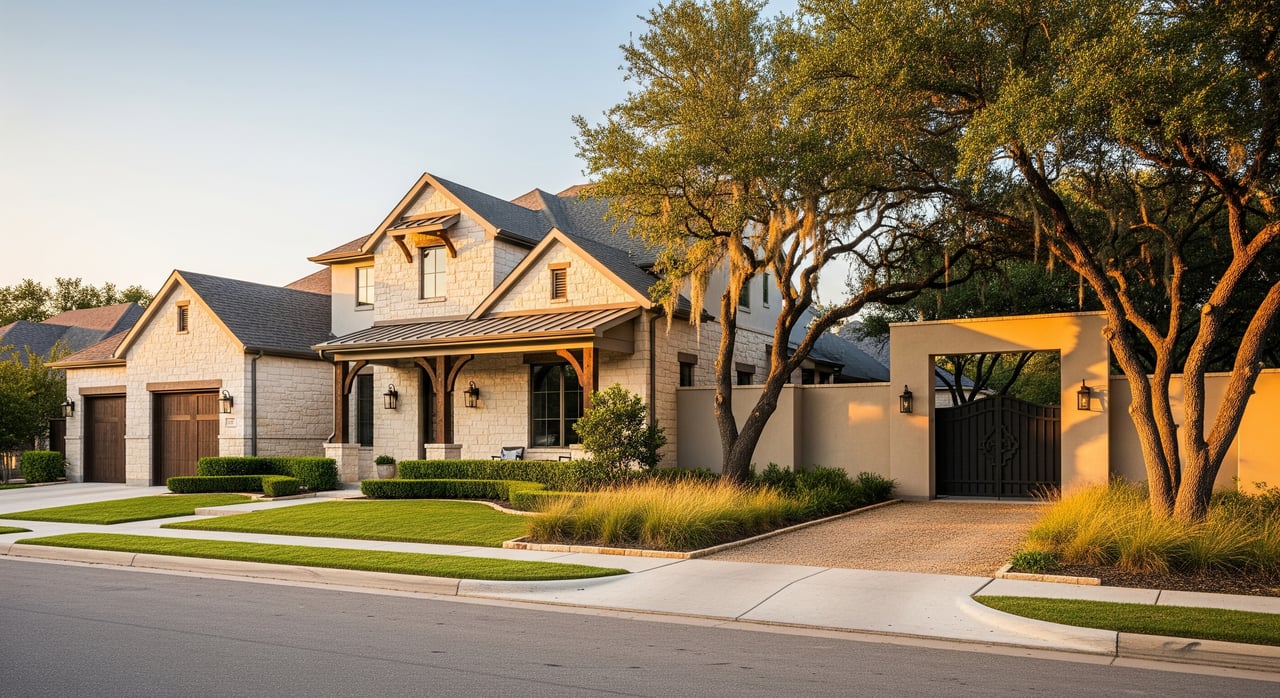
Thinking about buying your next home in McKinney and wondering whether an HOA or a no‑HOA neighborhood is the better fit? You are not alone. Many move‑up families weigh the tradeoff between community amenities and rules versus flexibility and autonomy. In this guide, you will learn how HOAs work in McKinney, what fees to expect, how rules affect your day‑to‑day, and what to check before you buy. Let’s dive in.
McKinney’s neighborhood mix
McKinney and Collin County offer a wide range of options. You will find older, centrally located neighborhoods and some infill pockets without HOAs, as well as many conventional subdivision HOAs and large master‑planned communities. Newer developments often layer a master association for big amenities with smaller sub‑associations for section‑level upkeep.
No‑HOA areas tend to be older neighborhoods near the city center or in certain rural and unincorporated pockets. HOA neighborhoods range from small subdivisions with entry landscaping and basic common areas to large master plans with pools, trails, clubhouses, and community programming. Your day‑to‑day experience can feel very different depending on which you choose.
Keep an eye on Municipal Utility Districts (MUDs). MUDs are separate from HOAs. They fund water, sewer, and drainage infrastructure through taxes or assessments. In Collin County, MUD taxes can impact your total annual cost even if your HOA dues are modest.
Cost and fee expectations
Costs vary widely based on amenities, number of homes sharing expenses, and whether a property belongs to a master and a sub‑association. Plan for these common items:
Regular dues and services
- HOA dues pay for common‑area maintenance, insurance, utilities for shared spaces, reserve funds, and management.
- Small neighborhood HOAs without extensive amenities often land in the low hundreds per year (roughly $300 to $1,200 annually, though it varies).
- Amenity‑rich master‑planned communities can run $50 to $200 or more per month, depending on pools, clubhouses, trails, and any private security.
Master and sub‑association layers
- A home inside a master‑planned community may pay two sets of dues: one for the master association and one for a sub‑association responsible for landscaping, lighting, or design standards.
- Ask how each association budgets, who manages it, and whether reserves are healthy.
Special assessments and other fees
- Special assessments are one‑time charges for big projects when reserves fall short. These can range from a few hundred to several thousand dollars.
- Transfer, estoppel, and resale fees may be charged when you buy or sell. Confirm early which party pays these at closing.
- Fines can apply for rule violations like unapproved exterior changes or ongoing yard maintenance issues.
Do not confuse HOAs with MUDs
- MUD taxes are not HOA dues. Both affect your monthly and annual budget in different ways. Review tax records and any MUD details along with HOA dues when comparing neighborhoods.
Rules, approvals, and your plans
Most HOAs are governed by recorded documents such as CC&Rs, bylaws, rules and regulations, and any architectural guidelines. If you are planning a renovation, an outdoor kitchen, a pool, or solar panels, pay close attention to the Architectural Control Committee (ACC) process.
- ACC approval is often required for exterior paint, roofs, fences, additions, and major landscape changes. Timelines vary. Factor review windows into your project schedule.
- Use restrictions can cover parking, signage, short‑term rentals, and pets. Ask how these rules are enforced and how consistent enforcement has been.
- Enforcement tools can include fines and liens. In Texas, under certain conditions, associations may have foreclosure rights for unpaid assessments. Understanding payment policies and communication practices helps reduce surprises.
Texas Property Code (including Chapter 209) shapes how residential associations operate, and the resale certificate offers key disclosures on dues, violations, and pending litigation. Request and review these documents thoroughly during your option period.
Amenities and lifestyle tradeoffs
The right fit depends on how you live day to day and how you want to spend your time outside of work and school.
What HOAs often provide
- Swimming pools and splash pads
- Clubhouses, fitness rooms, and event spaces
- Parks, playgrounds, and playfields
- Tennis and pickleball courts
- Walking trails and greenbelts
- Dog parks and pet stations
- Gated entries and private patrols in some higher‑end communities
- Organized community events and holiday activities
For busy households, these amenities offer convenience and community, often without the personal maintenance burden. That can save time and help you settle into a new area more quickly.
Maintenance responsibilities
- In an HOA: The association typically covers common‑area landscaping, irrigation, and amenity upkeep. Some neighborhoods also maintain front yards or tree replacement in certain zones. Homeowners usually maintain backyards unless a landscape service is included.
- Without an HOA: You control exterior choices and schedules, but you also handle everything outside, including landscaping, irrigation, and any amenity upkeep you add yourself.
Practical planning questions
- Do you want a private pool, oversized play set, or unique exterior finishes? Confirm ACC rules ahead of time.
- Do you own a boat, trailer, or RV? Check parking and storage rules in HOA neighborhoods.
- Would you use a community gym or pool enough to justify the dues, or would nearby public parks and facilities serve your needs?
Resale and marketability in McKinney
Well‑maintained HOA communities with strong curb appeal and desirable amenities can attract a broad buyer pool. Consistent standards and neighborhood uniformity may support values and help homes show well.
That said, restrictive rules or underfunded budgets can limit interest. Non‑HOA homes often appeal to buyers who want flexibility and unique features. Depending on how you plan to use the property, either option can work if the financials and condition align with your goals.
Key points to consider:
- Price premium potential: Amenity‑rich, well‑managed communities can command higher prices compared to similar homes in areas without services.
- Buyer pool differences: Rental caps and stricter rules may reduce investor interest, which can appeal to long‑term owner‑occupants. Non‑HOA homes may attract buyers who value autonomy.
- Consistency and comps: Neighborhoods with clear appearance standards can create more consistent comparable sales.
Due diligence checklist
You can lower risk and avoid surprises by reviewing documents and financials early. Ask your agent to help you gather and interpret the following:
- Resale certificate or estoppel letter showing current dues, delinquencies, special assessments, violations, and any pending litigation.
- Governing documents: CC&Rs, bylaws, rules and regulations, and ACC guidelines. Focus on paint, fence, parking, leasing, and exterior change rules.
- Financials: Current budget, recent financial statements, and most recent reserve study or reserve policy.
- Board meeting minutes for the last 6 to 12 months to spot recurring issues, large projects, or contentious enforcement patterns.
- Capital plans: Ask about upcoming projects such as pool renovations or clubhouse updates that could lead to special assessments.
- Management: Clarify who manages the HOA and how dues are collected. Professional management can signal predictable operations.
- Closing costs: Confirm all transfer, estoppel, and orientation fees, and who pays them.
- Insurance: Review common‑area coverage to understand what your personal policy should include.
Also verify MUD taxes and property tax rates through county records. Treat these separately from HOA dues when you calculate your monthly payment.
Red flags worth a closer look
Move forward carefully if you see any of the following:
- Frequent special assessments or rising dues without stronger reserves to match
- Lack of a reserve study or poor financial transparency
- High delinquency rates that suggest future assessments may be needed
- Ongoing litigation that could lead to large liabilities
- Vague or slow ACC timelines that could derail a planned renovation
Which is right for you?
- Choose an HOA or master‑planned community if you value shared amenities, predictable curb appeal, and less personal maintenance. This path suits busy families who plan to use the pool, parks, and community events.
- Choose a non‑HOA home if you want maximum autonomy, a distinctive exterior or lot layout, or fewer recurring dues. This path can fit families planning custom outdoor projects or those who prefer public parks and city amenities over private ones.
Either way, the most important step is a careful review of documents and financials before you commit. A clear look at rules, reserves, and taxes tends to save money and stress later.
Ready to compare neighborhoods or line up documents for a property you love? Reach out to The Mendez Group for local guidance and a calm, step‑by‑step plan that fits your family’s next move. We are here to help you feel confident from first look to closing.
FAQs
What are typical HOA fees in McKinney?
- Smaller neighborhoods without major amenities often range from about $300 to $1,200 per year, while amenity‑rich master‑planned communities commonly run $50 to $200 or more per month.
How are MUD taxes different from HOA dues?
- MUDs fund water, sewer, and drainage infrastructure through taxes or assessments, while HOAs fund community operations and amenities; both can affect your total carrying cost.
Can an HOA in Texas foreclose for unpaid dues?
- Under certain conditions allowed by Texas law, associations may have foreclosure rights for unpaid assessments; always stay current and review collection policies.
What is a master association versus a sub‑association?
- A master association manages big‑picture amenities and common areas, while sub‑associations handle section‑level items like landscaping, lighting, or architectural control; some homes pay both.
Which documents should I review before buying into an HOA?
- Request the resale certificate, CC&Rs, bylaws, rules, ACC guidelines, budget, recent financials, reserve study or policy, and recent board meeting minutes.
Do HOAs help resale value in McKinney?
- Well‑run, amenity‑rich communities with strong curb appeal can support prices and marketability, but restrictive rules or weak reserves can reduce buyer interest.